Wondering why Olde Naples homes can feel so different from one block to the next? That contrast is part of what makes this neighborhood so compelling. In Olde Naples, you will find everything from modest early cottages to refined revival styles and newer coastal homes that reinterpret the area’s past. If you are buying, selling, or simply trying to understand what gives this neighborhood its character, it helps to know the architectural styles that shape daily living here. Let’s dive in.
Why architecture matters in Olde Naples
Olde Naples is the city’s original beach and downtown neighborhood, and the City of Naples notes that it still contains most of Naples’ original homes, many dating to around the turn of the century. The broader neighborhood includes a mix of old and new homes set among mature palms and tropical landscaping. That layered streetscape is one reason the area feels both established and evolving.
Within Olde Naples, the Naples Historic District is the preserved historic core. It was listed on the National Register of Historic Places in 1987, updated in 1994, and its period of significance was extended to 1964. The district developed from the original 1885 plat through the mid-20th century and includes houses, guesthouses, garages, and carriage houses.
For you as a buyer or seller, that history matters because style in Olde Naples is not just about appearance. Architecture often influences layout, outdoor living, renovation options, and even how a home relates to the street. In a neighborhood where old and new coexist, understanding those differences can help you make a more confident decision.
Frame Vernacular defines Olde Naples
If one style feels most closely tied to Olde Naples, it is Frame Vernacular and its Old Florida cottage variations. In the Naples Historic District, Frame Vernacular is the dominant historic style, accounting for 31 of 65 contributing properties. These homes were shaped by local materials, climate needs, and practical design rather than strict architectural formality.
Typical features include native wood, tabby foundations, wood siding, deep porches, wide eaves, high ceilings, shutters, and front or side gables. Many also have simple massing, though that can range from a compact cottage to a more rambling house. The result is a style that feels relaxed, functional, and rooted in the coastal environment.
Florida vernacular design more broadly relies on features that improve airflow and respond to weather, including large windows, wide verandas, roof overhangs, and raised foundations or ventilated crawl spaces. In this tradition, the porch is more than decoration. It acts as a transition between public and private space and gives the home a stronger relationship to the street.
What these cottages feel like inside
For many buyers, the charm of an older cottage is immediate, but the interior layout can feel very different from a newer home. Historic cottages often have smaller rooms, more compartmentalized interiors, and modest footprints. Even on a generous lot, the original house may feel intimate rather than expansive.
That is part of their appeal, but it can also shape how you use the space. If you love front-porch living, architectural character, and a strong sense of place, these homes often deliver that in a way newer construction cannot replicate. If you want large entertaining areas and a seamless indoor-outdoor plan, you may need to look for a renovated version or a different style.
Bungalow, Craftsman, and Colonial Revival add variety
Olde Naples is not defined by cottages alone. The historic district also includes Colonial Revival and late Craftsman or Bungalow examples, adding another layer to the neighborhood’s architectural story. These homes often feel a bit more structured than the simplest vernacular houses while still fitting the area’s scale and porch-oriented lifestyle.
Craftsman and Bungalow homes typically feature low-pitched roofs, wide eaves, and generous porches. That keeps them visually grounded and approachable. They often present a comfortable middle ground between a simple beach cottage and a more formal revival home.
Colonial Revival homes are usually more symmetrical, with classical detailing and a stronger front entry. In practical terms, that often creates a clearer sense of arrival from the street. For buyers, these homes may feel more orderly in composition while still reflecting Olde Naples’ historic development pattern.
Why these styles appeal to buyers
These homes can be especially appealing if you want historic character with a slightly more defined front elevation. They often balance charm and structure in a way that feels timeless. In a neighborhood known for architectural variety, that can make them stand out without feeling out of place.
For sellers, understanding these style distinctions also helps with positioning. A buyer looking for a true cottage experience may respond to one type of home, while another may be drawn to a stronger entry sequence or a more composed façade. In Olde Naples, those details matter.
Mediterranean Revival brings privacy and elegance
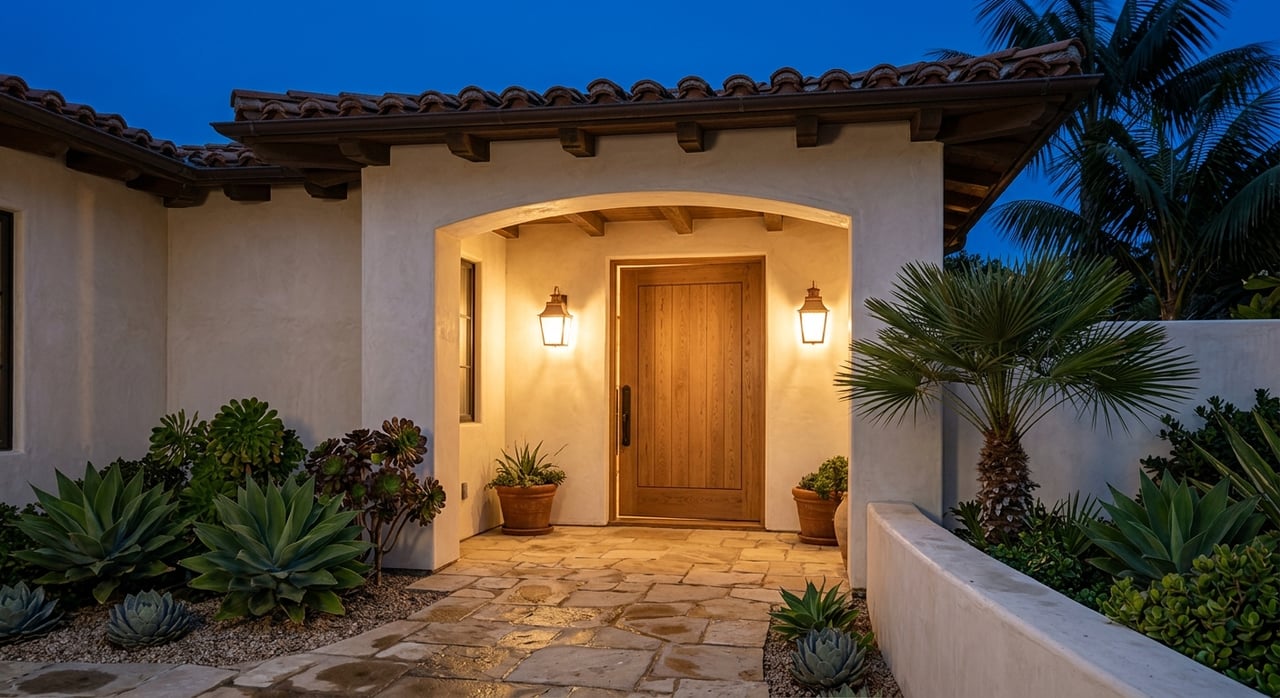
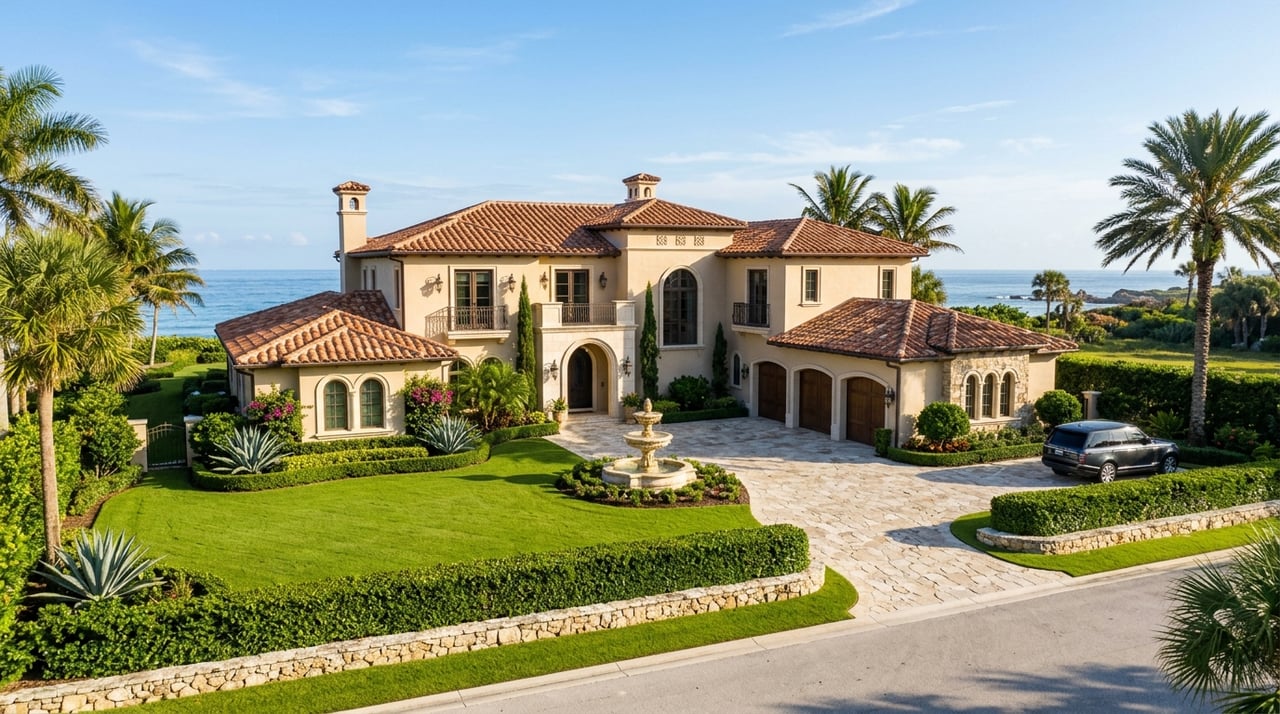
Mediterranean Revival is also part of the Olde Naples historic mix, and it remains a familiar design language in Naples luxury real estate. This style is usually defined by stucco exteriors, low-pitched tile roofs, arches, balconies, wrought iron details, and tropical landscaping. Many homes also use courtyards or loggias to shape outdoor space.
Compared with porch-centered cottages, Mediterranean Revival homes often create a stronger street façade while directing attention inward. That can make outdoor areas feel more private and enclosed. Patios, pools, and gardens often become central to the home’s layout and daily use.
For buyers who love entertaining, this style often aligns well with that lifestyle. Courtyard planning and defined outdoor rooms can make the home feel both elegant and livable. It offers a different expression of coastal Naples living, one that is often more sheltered and private than a classic front-porch cottage.
Coastal contemporary reflects modern living
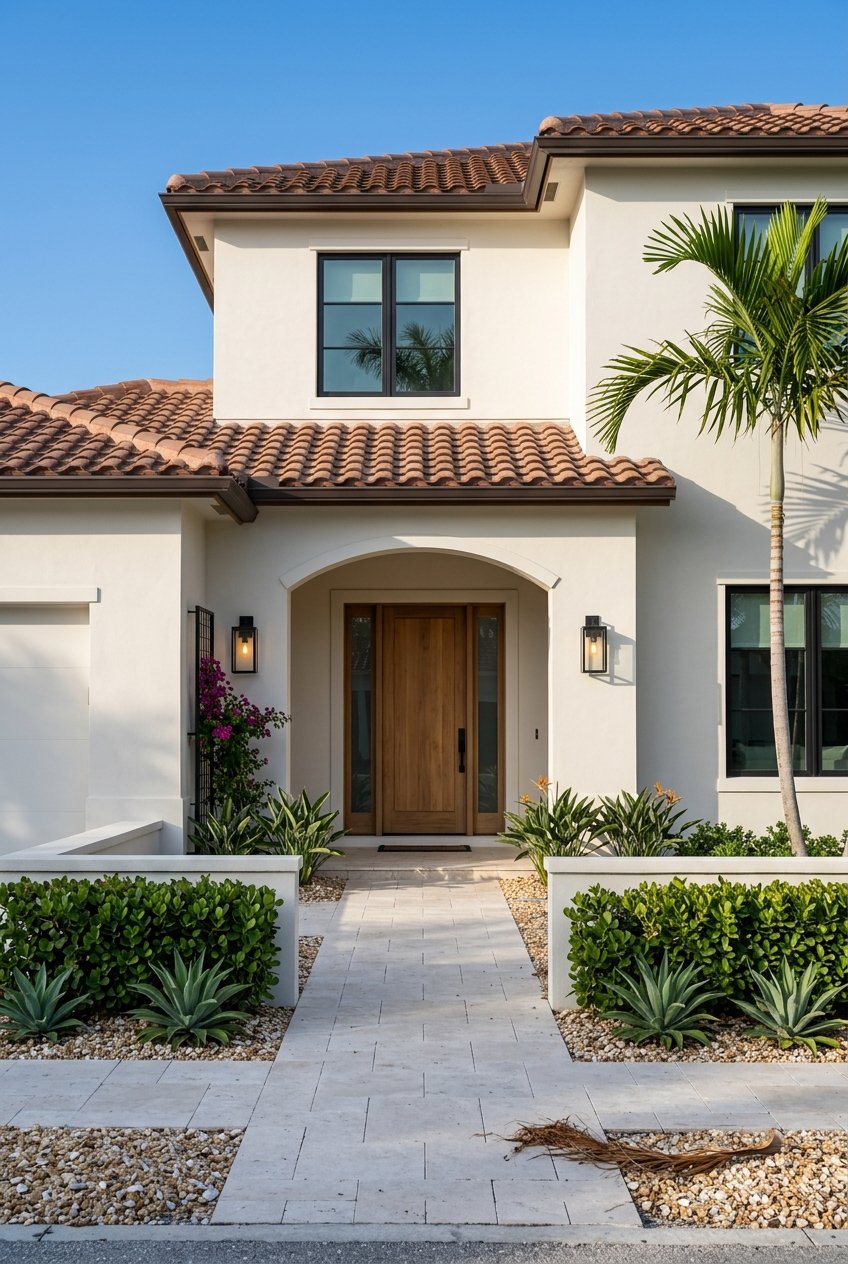
Newer homes in Olde Naples often shift toward coastal contemporary design or updated Old Florida expressions. Local architectural coverage describes the area as a fresh canvas, with lot sizes, orientations, and alley configurations varying from block to block. That flexibility has encouraged creative reinvention while still drawing from local precedent.
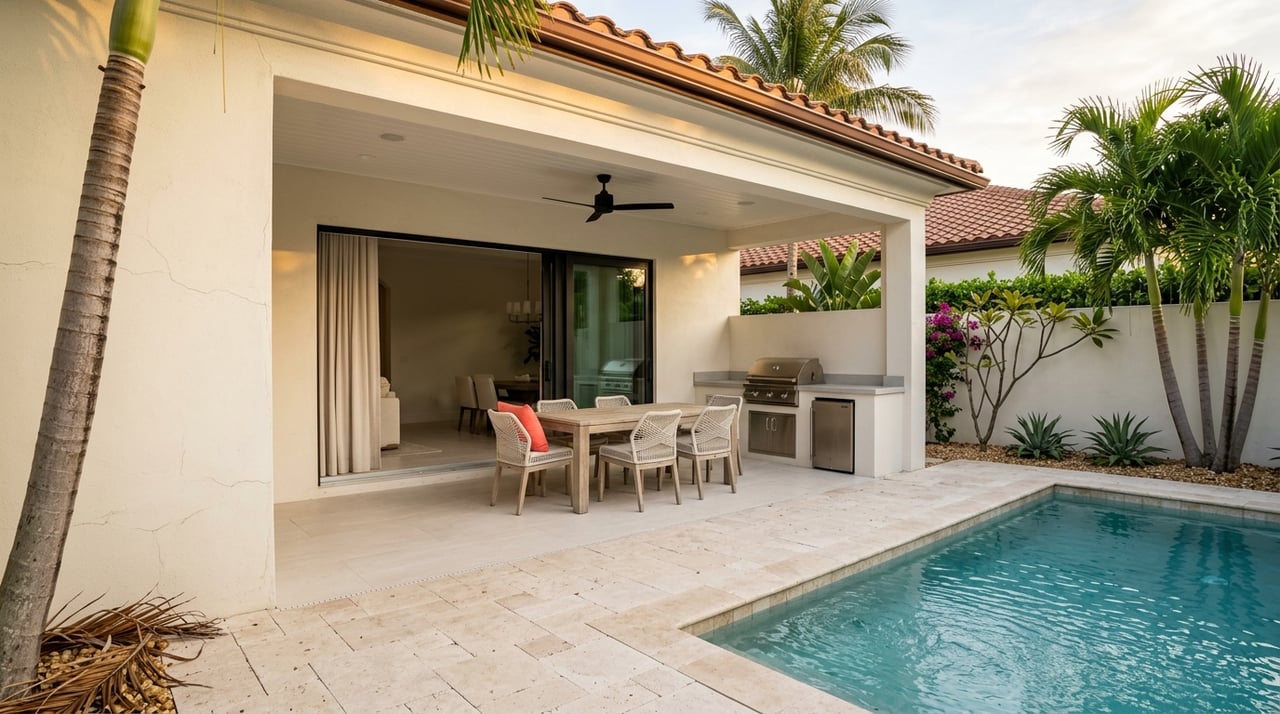
In practice, coastal contemporary homes often keep a Florida sensibility but function very differently from the oldest houses. They tend to have larger rooms, more glass, bigger overhangs, and a stronger connection to the lanai and backyard. Indoor and outdoor spaces are often designed to work together as one continuous living environment.
A local renovation example shows how this can play out in Olde Naples. In one 1940s-era cottage renovation, the front elevation was preserved while a second floor and expanded rear living space were added, along with a pool and extra parking. That kind of approach reflects a common neighborhood pattern: keeping the streetscape modest while adapting the home for modern luxury living.
How daily living changes by style
The biggest lifestyle shift is often from porch-centered intimacy to open-plan indoor-outdoor living. Historic cottages tend to emphasize the front porch, smaller rooms, and a closer relationship to the street. Newer coastal homes are more likely to center life around a large kitchen, family room, lanai, and outdoor entertaining area.
Neither approach is inherently better. It depends on how you want to live in the home. If your ideal day starts on a shaded front porch, an older cottage may feel just right. If you picture hosting around a pool with wide sliding glass doors open to the lanai, a newer coastal home may be a better fit.
Historic district versus broader Olde Naples
This is one of the most important distinctions for buyers and sellers to understand. The broader Olde Naples neighborhood includes both historic and newer homes. The Naples Historic District is the protected subset within that neighborhood.
That difference can affect what changes may be possible on a property. The City of Naples has a historic preservation and rehabilitation process for historic buildings, and Historic Preservation Board review can lead to a Certificate of Appropriateness. Work done without approval that does not maintain historic character can lead to de-designation.
If you are considering a contributing historic property, exterior changes may be more closely shaped by the review process. If you are looking at a home outside the protected district but still within Olde Naples, you may find more flexibility. Before you buy or plan major work, it is wise to understand exactly where the property sits and what rules may apply.
What buyers should watch for
When you tour homes in Olde Naples, it helps to look beyond surface style and focus on how the architecture supports your goals. A charming façade may come with a very different interior experience than you expect. The same is true in reverse, where a modest street presence may open into an expansive rear living area.
Here are a few practical things to consider:
- Layout: Older homes may have smaller, more divided rooms.
- Outdoor living: Cottages often emphasize the front porch, while Mediterranean and newer coastal homes may focus on courtyards, lanais, pools, and gardens.
- Privacy: Some styles engage the street more directly, while others turn inward.
- Renovation potential: Historic district status can influence exterior changes and additions.
- Lifestyle fit: The best style for you depends on whether you value charm, entertaining, privacy, or modern flow most.
Why Olde Naples architecture stays so compelling
Olde Naples remains special because it is not frozen in one design era. Its character comes from the conversation between preservation and reinvention. Early cottages, revival styles, and newer luxury homes all contribute to a neighborhood that feels layered, local, and distinct.
For buyers, that means you can often find very different living experiences within the same neighborhood. For sellers, it means architectural identity is a meaningful part of how a home should be presented and positioned. In a market like Olde Naples, style is not just visual. It shapes value, function, and emotional appeal.
If you are considering a move in Olde Naples, understanding the story behind the architecture can help you see beyond finishes and square footage. The right home is not only about what looks beautiful today. It is also about how that design supports the way you want to live. For tailored guidance on buying or selling in Olde Naples, Kristin Stroh can help you evaluate lifestyle fit, architectural character, and market positioning with a local, high-touch approach.
FAQs
What architectural style is most authentic to Olde Naples?
- The style most closely tied to historic Olde Naples is Frame Vernacular, including Old Florida cottage variations with porches, wood siding, wide eaves, and simple massing.
What makes historic Olde Naples cottages feel smaller?
- Many of the oldest homes were built with compact footprints and more divided interiors, so they often feel more intimate than newer open-plan homes.
What is the difference between Olde Naples and the Naples Historic District?
- Olde Naples is the broader neighborhood with a mix of old and new homes, while the Naples Historic District is the protected historic core within that area.
Can you expand a historic home in Olde Naples?
- Often yes, but exterior changes to historic properties may be shaped by the City of Naples preservation review process and may require a Certificate of Appropriateness.
Which Olde Naples home styles work best for entertaining?
- Mediterranean Revival and newer coastal contemporary homes often support entertaining well because they commonly emphasize courtyards, lanais, pools, and more open indoor-outdoor layouts.