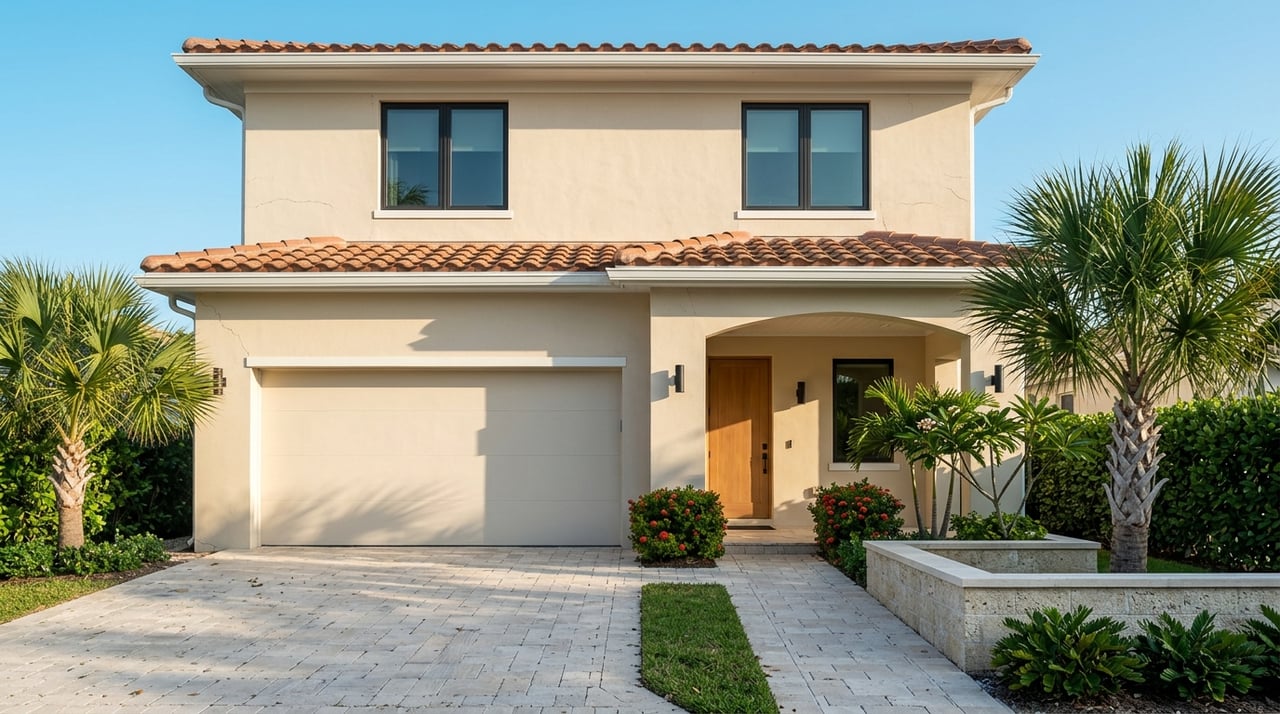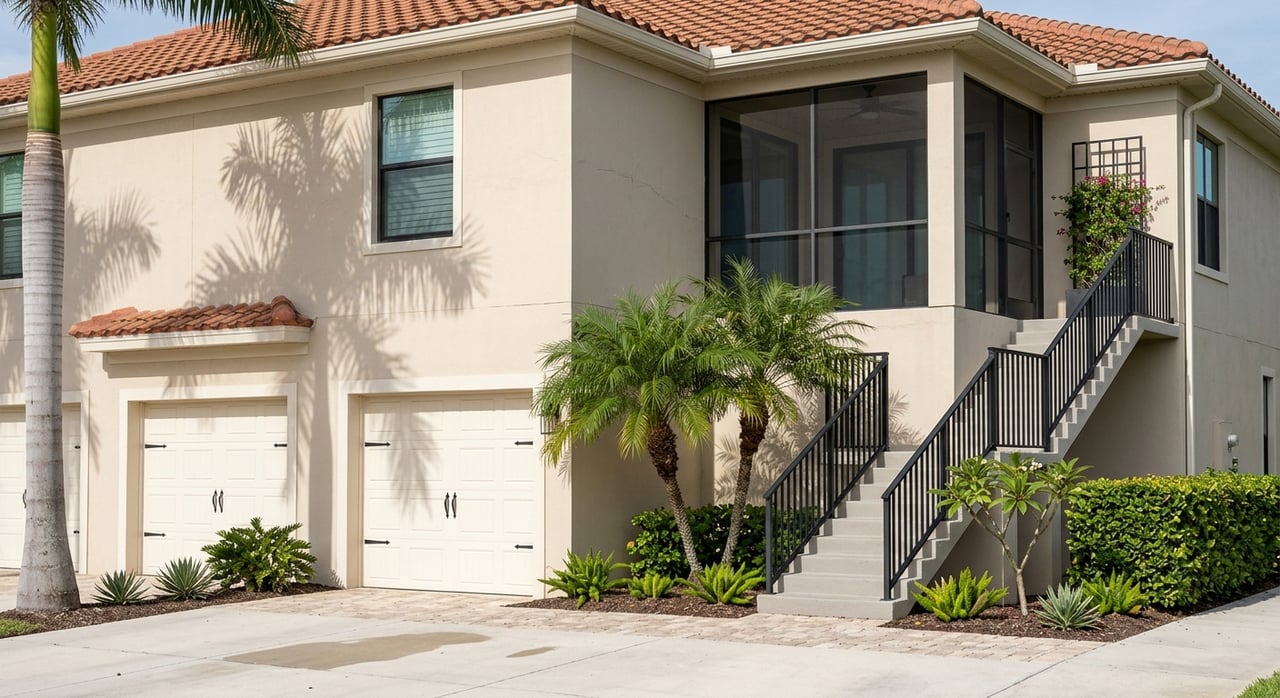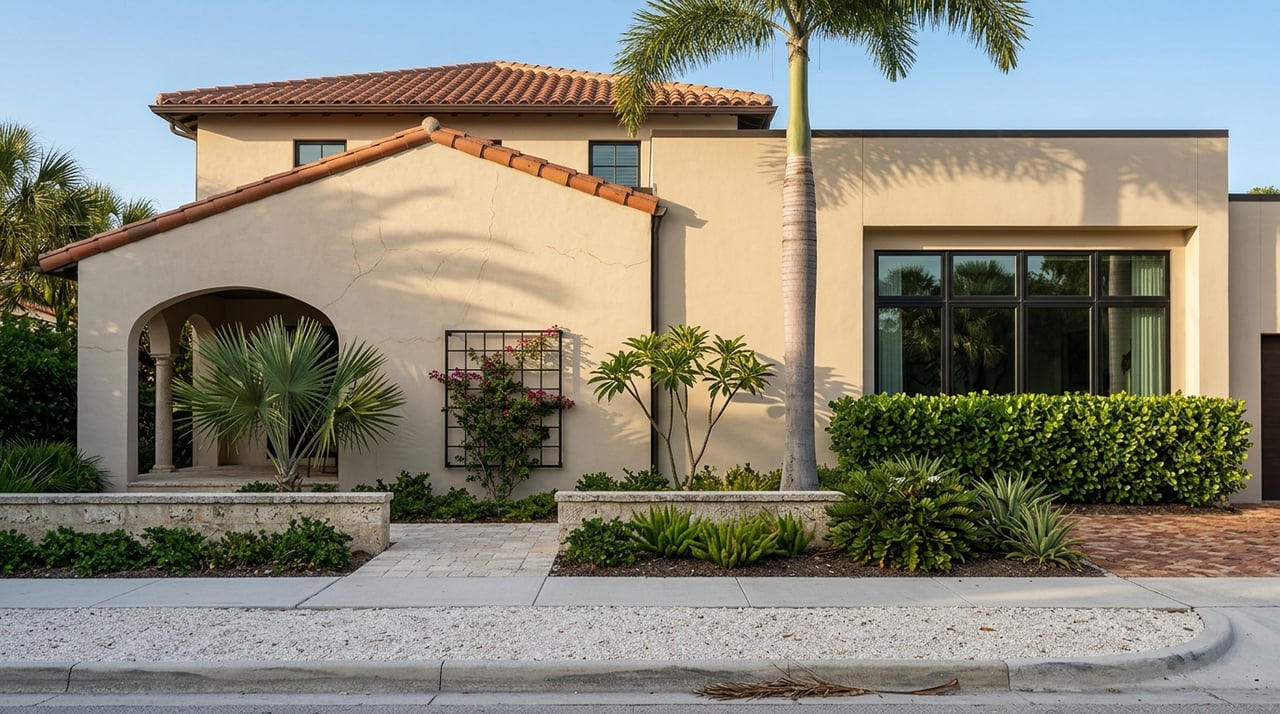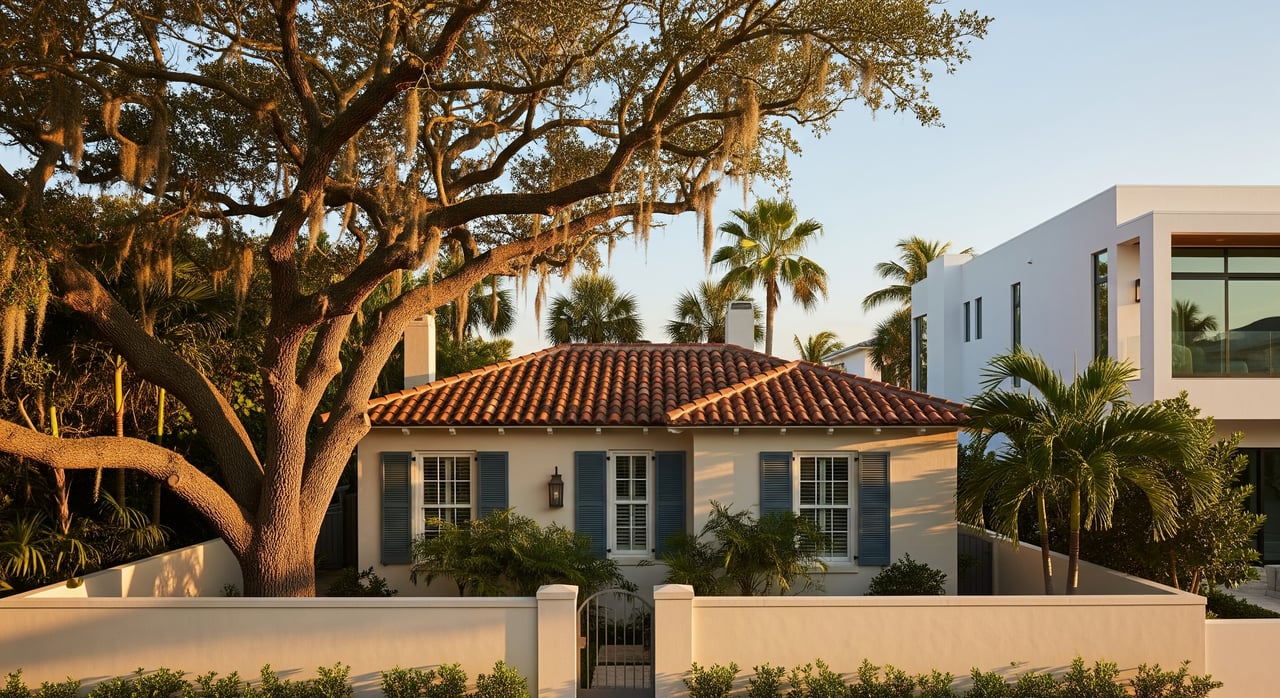
Is the dirt worth more than the house? In Olde Naples, that is often the case. If you are buying, selling, or deciding whether to renovate or rebuild, understanding land value versus home value can change your strategy and your outcome.
You want clarity, not guesswork. This guide explains how to estimate land value, which lot features drive pricing, what coastal rules do to costs, and a simple model to compare renovate versus rebuild. You will also get a due diligence checklist you can use right away. Let’s dive in.
Why land drives value in Olde Naples
Olde Naples earns a premium for what you cannot replicate: proximity to the beach, walkable streets near downtown dining and retail, and a classic coastal lifestyle. In this pocket of the city, the lot itself can represent a large share of a property’s total value.
Vacant land is scarce and many parcels are older, smaller, or irregular. That scarcity lifts the price per square foot of land relative to areas with bigger, newer lots. Many existing homes are dated, and buyers often prefer new or substantially modernized construction. That pushes demand for tear-downs and lot redevelopments.
Coastal rules, flood zones, and insurance costs also influence value. Foundation requirements, elevation, and impact-rated components add cost to new builds and major renovations. Those inputs change the math on what a given lot is worth and what you can build.
How to estimate land value
Use more than one method and triangulate. In Olde Naples, pure vacant-lot sales can be rare, so you will often rely on tear-down comps and extraction.
Sales-comparison of vacant or tear-down lots
This is the cleanest approach when there are recent nearby land or tear-down sales. Adjust for:
- Distance to beach and downtown
- Water frontage or view versus interior location
- Lot size, frontage, depth, and shape
- Elevation and flood zone
- Zoning, permitted coverage, and height
- Utility availability and known restrictions
Remember that even short differences in location or view can change value. If pure vacant sales are limited, use improved properties that clearly sold for land value.
Extraction method
Estimate the land value by subtracting the contributory value of the existing improvements from the total sale price. You can estimate improvement value using a local replacement cost less depreciation, or by using current new-build cost per square foot from Naples builders. Local numbers matter. Do not rely on national averages without adjustment.
Allocation method
Assessor records sometimes show separate land and improvement values. This can provide a starting point, but assessed values can lag in fast-changing coastal neighborhoods. Treat them as reference only.
Residual approach for developers
If you plan a new build, estimate the finished-home value, subtract all construction and soft costs, and include a builder or developer profit. The remainder is the residual land value. This helps define the ceiling price a builder would pay for a lot.
Practical tips for accuracy
- Get a recent boundary or ALTA survey for exact dimensions and easements.
- Track nearby tear-down sales and adjust for lot size and orientation.
- Confirm zoning, setbacks, height, and lot coverage early.
- Use multiple methods to build a defensible range rather than a single number.
Lot features that move the needle
Size, frontage, shape, and depth
Wider frontage and deeper lots allow larger footprints, more privacy, and easier design. Narrow or irregular parcels can limit the building envelope and add complexity and cost. Corner lots may allow flexible layouts but can involve extra setbacks and landscaping.
Elevation and flood zone
FEMA flood maps and Base Flood Elevations determine how high you must build and what mitigation is required. In VE or AE zones, you should expect elevated slabs or pile foundations. These factors materially affect costs and feasibility. Obtain an elevation certificate early in due diligence.
Water access and views
Gulf or canal frontage and protected view corridors command meaningful premiums. Even a short, convenient walk to beach access can shift land value in Olde Naples.
Zoning and development standards
City of Naples standards govern height, setbacks, lot coverage, and parking. Historic or design review overlays can affect demolition or exterior changes. Confirm your specific parcel’s rules before you budget.
Easements, utilities, and access
Utility easements, rights-of-way, and encroachments reduce the buildable area. Verify sewer connections and any private drainage features, since tie-in work can be a notable line item.
Tree protections and environmental limits
Protected trees, shoreline buffers, and native vegetation requirements can shape your footprint and timing. Understand these at the concept stage.
HOA and neighborhood guidelines
Some pockets include recorded restrictions that affect heights, materials, and construction timing. Factor these into schedule and design.
Early-document checklist
- Boundary or ALTA survey
- Zoning confirmation and any overlays
- FEMA flood map and elevation certificate
- Utility and easement records
- Recent tear-down and new-build comps on similar lots
Coastal rules and costs to plan for
Florida Building Code requirements
Coastal counties require higher wind-load design, impact-rated openings, and stronger foundations. Elevation and floodproofing often mean raised first floors on pilings or elevated slabs. Expect higher costs than inland builds.
Permitting timelines and approvals
Time-to-permit affects carrying costs and risk. City review, design boards, and potential historic or demolition approvals can add weeks or months. Build schedule flexibility into your budget.
Impact fees and utility connections
New builds may trigger impact fees and water or sewer connection fees. These soft costs vary by jurisdiction and should be included in your total project model.
Insurance and future climate risk
Flood and wind insurance availability and pricing influence buyer demand and holding costs. Higher-risk areas can temper what buyers will pay for a rebuild outcome, which can reduce effective land value.
Renovate vs. rebuild: a simple model
To compare paths, gather local numbers first. Then apply straightforward formulas to test feasibility.
Inputs to collect
- As-is market value from recent comps
- Tear-down comps and new/renovated comps for ARV estimates
- Local contractor quotes for renovation and new-build costs per square foot
- Demolition, site prep, and elevated foundation costs, if required
- Soft costs: architecture, engineering, permits, impact fees, inspections
- Carrying costs: financing, taxes, insurance, temporary housing
- Time to complete for each path
- Updated insurance estimates after improvement
- Land value estimate using the methods above
Core formulas
- Land value (basic): Sale price minus contributory improvement value, or use tear-down comps by lot square foot or frontage.
- Renovation total: Hard renovation cost + soft costs + contingency + carrying costs.
- New-build total: Demolition + site prep + foundation/elevation + new construction hard cost + soft costs + impact fees + contingency + carrying costs.
- After-improvement value (ARV): Based on nearby comps for similar size, finishes, and lot features.
- ROI estimates:
- Renovation ROI = (ARV − (As‑is price + Renovation total)) ÷ (As‑is price + Renovation total)
- New-build ROI = (ARV_new − (As‑is price + New-build total)) ÷ (As‑is price + New-build total)
- Residual land test for new builds: Maximum lot price = ARV_new − (all construction and soft costs + desired profit).
Decision rules of thumb
- If renovation cost approaches 50 to 60 percent of replacement cost, a rebuild often makes more sense, subject to zoning and permitting.
- If land value is the dominant component and the lot supports a larger, higher-value home, rebuilding can unlock greater resale potential.
- If the lot limits expansion and an update can reach market-acceptable standards at a reasonable cost, smart renovation can maximize net proceeds.
- For owner-occupants, quality-of-life factors can override a strict ROI.
Model sensitivity
Test a range of outcomes. Model conservative, likely, and optimistic ARVs. Price best-case and worst-case construction cost per square foot. Adjust for faster or slower permitting timelines. Include foundation cost scenarios based on flood elevation requirements.
Resale outcomes in Olde Naples
The finished product drives price, but the lot sets the ceiling. Buyers pay for usable square footage, open plans, indoor-outdoor living, and coastal-grade construction. New builds on the right lots often command higher prices per square foot than renovated older homes, when design and finishes meet demand.
Cosmetic updates without added function usually deliver less upside than new space or reconfigured plans. If your lot cannot support more area or height, focus on efficient upgrades that move the home toward current expectations at a sensible budget.
Due diligence checklist
- Order a current ALTA or boundary survey to confirm dimensions, easements, and encroachments.
- Verify zoning, setbacks, and any overlays with the City of Naples Planning team.
- Pull recent comps: tear-downs, renovated sales, and new builds on similar lots.
- Check FEMA flood maps and obtain an elevation certificate.
- Get an initial site or soils report to assess pilings versus slab feasibility.
- Collect local contractor ranges for renovation and new-build costs, including foundation.
- Identify impact fees, hook-up costs, and expected permitting timelines.
- Review tree protections, shoreline buffers, and any neighborhood restrictions.
- Confirm wind and flood insurance availability and estimated premiums.
- Build a project model: total cost, carrying costs, ARV, and target margin.
- Consult an architect early to test footprints and layout within setbacks.
- If selling, evaluate whether to list as-is to a builder, update and list, or partner on a spec-to-sell plan.
When to sell as-is vs. build
If your lot supports a larger home and developer residual math is strong, selling to a builder can be efficient and profitable. If your home can reach market-acceptable condition without major structural work and lot limits prevent meaningful expansion, a targeted renovation may produce better net proceeds.
Whatever your path, base the decision on local comps, real cost quotes, verified zoning, and flood requirements. In Olde Naples, good information is your edge.
Ready to model your options with neighborhood-specific comps and builder-caliber pricing ranges? Connect with Kristin Stroh for a discreet, data-driven consultation tailored to your property.
FAQs
What does “land value vs. home value” mean in Olde Naples?
- In Olde Naples, the lot often accounts for a large share of a property’s price, so buyers and sellers evaluate the land’s location, size, and build potential as closely as the home itself.
How do I find tear-down comps to estimate land value?
- Look for nearby sales where the existing home was demolished or clearly sold for the lot, then adjust for lot size, frontage, beach proximity, elevation, and zoning differences.
How do flood zones affect rebuild costs in Olde Naples?
- VE and AE zones often require elevated slabs or pile foundations and impact-rated components, which increase costs and influence whether renovation or new construction pencils out.
When does a renovation stop making sense compared to a rebuild?
- A common rule is that if renovation costs reach about 50 to 60 percent of replacement cost, a rebuild often becomes the better path, subject to zoning and permitting.
What documents should I gather before deciding to renovate or rebuild?
- Obtain a current survey, zoning confirmation, FEMA flood map and elevation certificate, local contractor cost ranges, and recent tear-down, renovated, and new-build comps.
How do impact fees and permitting timelines influence my decision?
- Fees and longer permitting add soft costs and carrying costs, which reduce project returns; they should be included in your total cost and schedule models for both paths.
What drives the biggest premiums at resale in Olde Naples?
- Beach proximity, water frontage or views, elevation, and walkability drive strong lot premiums; new builds with modern layouts and coastal-grade finishes often capture higher prices.