Picture your morning in Naples: either watching the Gulf glitter from a high-rise lanai or slipping on sandals to walk to Fifth Avenue South for coffee. If you are weighing Park Shore against Old Naples for a luxury condo, you are really choosing a daily rhythm. Both offer world-class living and easy beach access, but the feel is very different. In this guide, you will see the key lifestyle tradeoffs, building and ownership details, and a step-by-step checklist to help you buy with confidence. Let’s dive in.
Park Shore in a snapshot
What you see
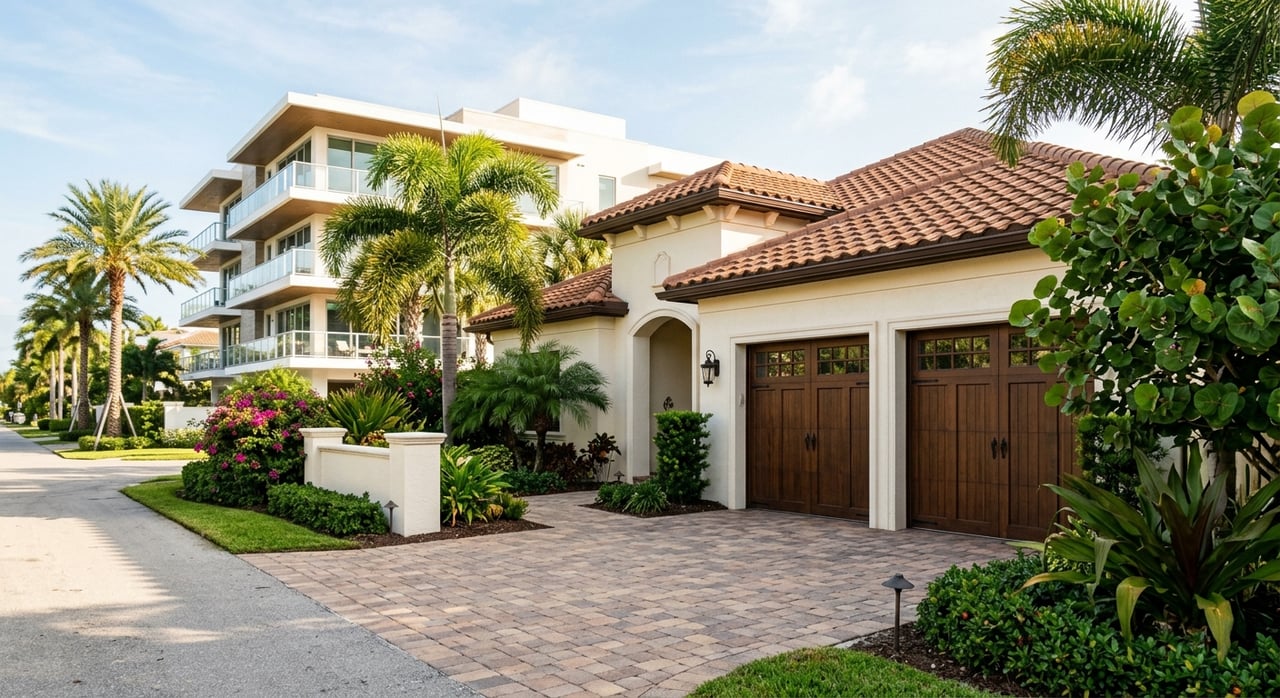
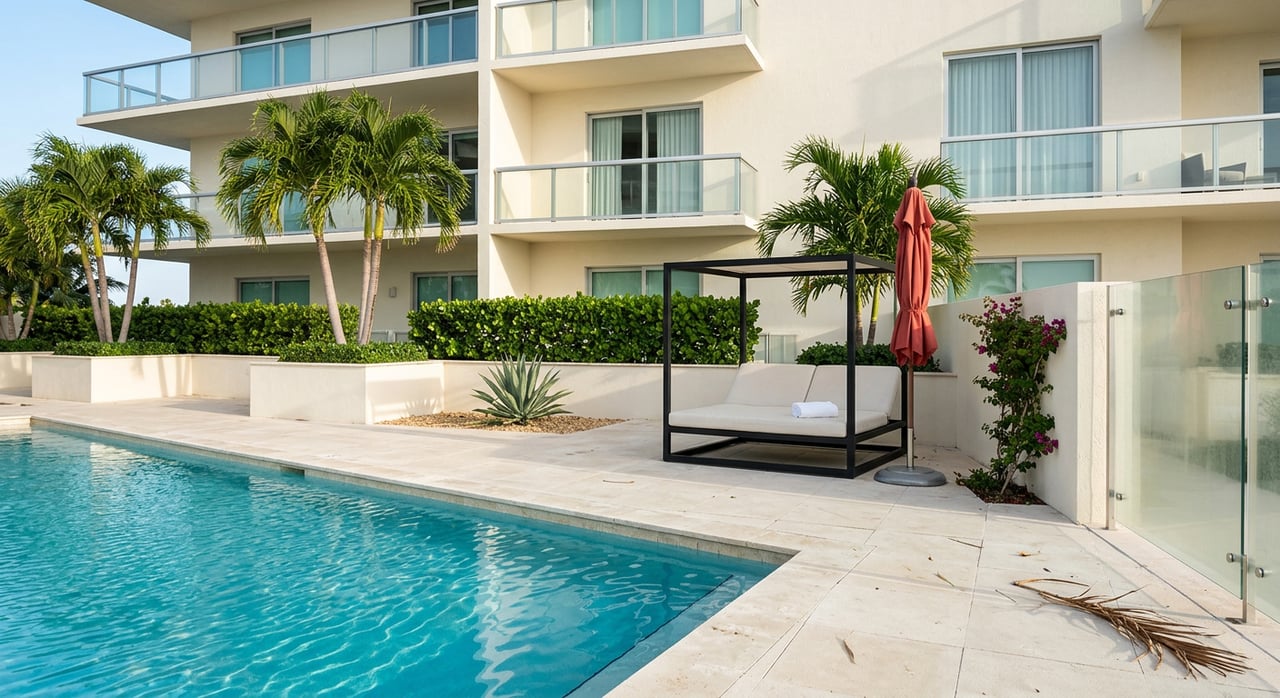
Park Shore is a planned waterfront neighborhood with a striking line of beachfront high-rises along Gulf Shore Boulevard and bayfront residences on Venetian Bay. Many towers deliver concierge-style services, secure entries, and resort pools. Residents also enjoy access to a resident-only beach park maintained by the neighborhood association, which adds to the private, coastal feel of the area. You can learn more about the neighborhood’s beach park and community from the Park Shore Association.
Daily rhythm
Life here centers on the water. Mornings often begin with a beach walk or sunrise from a gulf-facing balcony. For dining and boutique shopping, The Village Shops on Venetian Bay is right in the neighborhood with waterside patios and sunset views. It creates a relaxed, elegant hub that many residents visit several times a week. Explore the restaurants and retailers at The Village Shops on Venetian Bay.
Boating and the bay
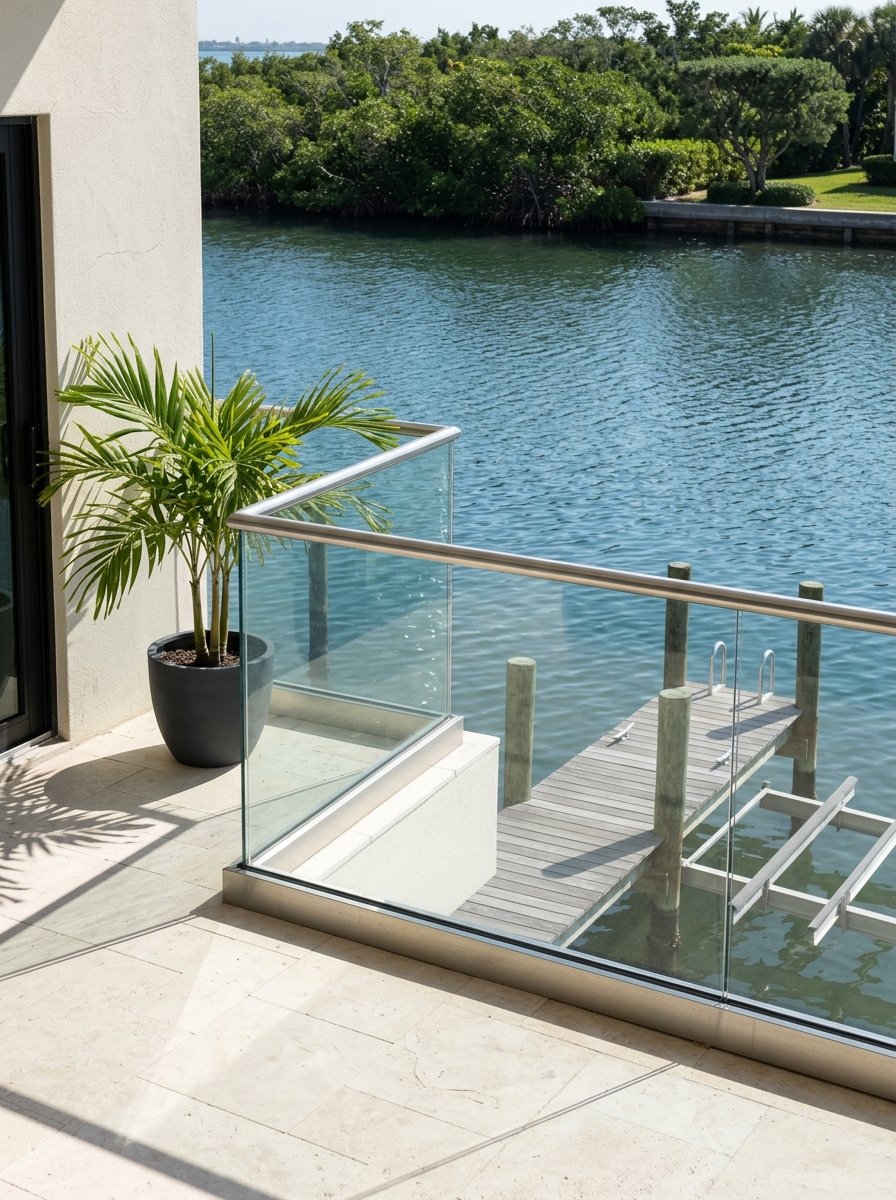
If boating is part of your vision, Park Shore stands out. The neighborhood’s canals and Venetian Bay offer convenient access and a strong marina culture, including slip options and yacht club activity that reinforce the boating lifestyle. Local civic and boating updates often highlight this waterfront energy and community connection, as seen in coverage from GSAC Naples.
Walkability and errands
Park Shore is more about being on the water than running every errand on foot. The neighborhood’s Walk Score is roughly 35, which means many daily tasks will be a short drive. Venetian Village puts dining and some conveniences within a pleasant stroll, but you will typically use a car for groceries, medical appointments and larger shopping trips. See the area’s Walk Score snapshot for context on Park Shore walkability.
Who it suits
Choose Park Shore if you want direct Gulf exposure, full-service towers, and a residential pace that centers on the beach and bay. It is ideal if private beach access, on-site amenities, and sunset views from upper floors matter more than being in the middle of downtown activity.
Old Naples in a snapshot
What you see
Old Naples, often written Olde Naples, is Naples’ historic in-town district. Streets are lined with boutique and mid-rise condo buildings, classic cottages, galleries and restaurants. The area around Fifth Avenue South and Third Street South creates a true pedestrian lifestyle with intimate blocks, tree canopy and frequent cultural buzz. Learn more about the neighborhood’s character and beach access near the Pier from the Old Naples Neighborhood Association.
Street life and culture
If you want to walk to dinner, browse galleries, and catch seasonal events, Old Naples is your stage. Signature happenings like Cars on 5th draw residents and visitors to Fifth Avenue and fill the district with energy during the season. See highlights of this annual event in local coverage of Cars on 5th.
Beach and the Pier
Old Naples brings you close to the iconic Naples Pier and a network of public beach access points. Many condos are within a short walk to the sand. You will rarely find gulf-front towers here, so the tradeoff is proximity and charm over sweeping, upper-floor panoramas.
Walkability and parking
At the very center of Old Naples, many daily needs are within a comfortable walk. Neighborhood-level Walk Score figures are higher than Park Shore, with some core blocks reaching into the 60s or 70s. Parking rules and assigned or garage spaces vary by building, so you will want to review each association’s specifics when you tour.
Who it suits
Choose Old Naples if you value a walk-out-the-door lifestyle where dining, shopping, art and the beach are all nearby. It is a natural fit if boutique buildings, smaller footprints and daily street life feel like home.
Side-by-side: big tradeoffs to weigh
- Views and waterfront: Park Shore’s upper floors deliver dramatic Gulf panoramas and frequent sunset views. Old Naples offers charming street scenes, courtyards and occasional bay or rare gulf views, but the signature value is walkability.
- Amenities and services: Park Shore towers often include concierge, secure entries, resort-style pools and fitness. Old Naples buildings tend to be smaller with simpler amenities since the neighborhood itself supplies dining and entertainment.
- Access to dining and shopping: Park Shore residents frequent Venetian Village for waterside meals and boutiques. Old Naples residents step out to Fifth Avenue South and Third Street South for daily options.
- Boating and marina culture: Park Shore is engineered for boating, including canal and bay access plus nearby marina slips. Old Naples has pockets near the bay and marinas, but boating is not the central theme.
- Walkability and driving: Expect more driving for errands in Park Shore and more walking in Old Naples. Park Shore’s Walk Score is about 35, while Old Naples trends higher in the core.
- Market context: At a neighborhood level, Park Shore’s gulf-front towers often support higher pricing, while Old Naples commands strong values for walk-to-beach and downtown convenience. Always rely on current MLS comps and building documents for specifics.
- Noise and pace: Park Shore feels more private and residential along the water. Old Naples has a lively, in-town vibe with seasonal activity.
- Parking and storage: Park Shore towers often include structured parking, storage and sometimes guest suites. Old Naples varies by building, with many properties offering assigned or garage spaces and limited guest parking.
What Florida condo rules mean for you
Florida adopted post-Surfside safety reforms that affect condos 3 stories and taller. Buildings meeting the thresholds must complete milestone inspections and a Structural Integrity Reserve Study, and then fund reserves for components like roofs, structure and waterproofing. These rules can raise monthly dues or lead to special assessments, especially in older high-rises where major projects are planned. For a clear overview, read this summary of Florida condominium laws before and after Surfside.
What to ask for when you are serious about a building:
- The latest SIRS report and any milestone inspection results.
- Current budget, reserve schedule and reserve balances.
- Minutes noting upcoming projects and any approved or proposed assessments.
Insurance, storms and the coast
Gulf-front living comes with wind and water exposure. Insurers have been re-underwriting coastal buildings, and recent storms have prompted repairs and higher premiums in many communities. Ask for the building’s master insurance details, windstorm deductible, flood zone information and your unit’s elevation certificate. Historic storm data from Hurricane Ian shows why it is worth reviewing elevation, mitigation upgrades and coverage early in your process. See the National Hurricane Center’s report for context on Hurricane Ian’s impacts.
Practical next steps:
- Get quotes for homeowner, flood and wind coverage for the specific unit and building.
- Review flood claims history if available and ask about completed or planned mitigation projects.
- Balance premium differences as you compare gulf-front towers to in-town condos.
Short-term rentals and use
Rules vary by jurisdiction and by building. Collier County requires registration for short-term vacation rentals in unincorporated areas, and properties within the City of Naples may follow city rules that can be more restrictive in certain zones. Many condo associations also set minimum lease terms and cap the number of leases per year. Start with the county’s guidelines and confirm the association’s declaration and leasing addenda before you buy. You can review county registration details here: Collier County short-term rental registration.
Quick buyer checklist
Use this to focus your tours and document requests:
- Building health and finances
- Ask for the SIRS, milestone inspection results, reserve study and current budget.
- Confirm monthly dues, what they include and the reserve balance.
- Identify any special assessments and timelines for payment.
- Risk and insurance
- Get the flood zone for the property and the unit’s elevation certificate.
- Request the master policy summary and windstorm deductible details.
- Price homeowner and flood insurance with your insurer.
- Lifestyle and rules
- Verify leasing rules, including minimum stay and number of leases per year.
- Confirm parking assignments, storage, bike or boat slip availability and waiting lists.
- Clarify beach access type for the building and guest policies.
- Walkability and daily life
- Time your walk to coffee, dinner and the beach on a weekday and a Saturday.
- Map drive times to grocery, pharmacy and medical care you plan to use.
3 quick checks before you fall in love
- Ask for the SIRS and reserve balance so you understand the building’s capital plan and future dues trajectory. See the legal overview of SIRS requirements.
- Get the elevation certificate and early insurance quotes to gauge storm and flood costs. For context on coastal risk, review the Hurricane Ian report.
- Confirm all rental rules with the association and check county registration steps through Collier County.
How to choose your Naples condo
Start by ranking what matters most: uninterrupted Gulf views, a walkable downtown lifestyle, or a blend of both. Then pick 2 or 3 buildings in each neighborhood that match your must-haves and tour them back-to-back. Spend a morning and an evening in each location so you can experience the light, activity level and parking flow. Finally, review the building documents and insurance numbers early, since they can change the affordability picture.
If you want a confident, concierge process from shortlisting through closing, connect with a local advisor who knows the buildings, the boards and the documents. You will save time and make a clearer decision with curated options, on-the-ground context and tight due diligence.
Ready to explore Park Shore and Old Naples side by side? Schedule a private tour plan with Kristin Stroh. It is the simplest way to match your lifestyle to the right building, floor, view and budget.
FAQs
What is the key lifestyle difference between Park Shore and Old Naples?
- Park Shore centers on gulf-front towers, private beach access and boating, while Old Naples focuses on a walkable, in-town lifestyle near Fifth Avenue South, Third Street South and the Naples Pier.
Are Park Shore condos within walking distance to dining and shopping?
- Many daily errands require a short drive, but residents enjoy waterside dining and boutiques at The Village Shops on Venetian Bay within the neighborhood.
How walkable is Old Naples for daily life?
- The core blocks around Fifth Avenue South and Third Street South are comfortably walkable, with dining, galleries and events close by. Parking and amenity details vary by building, so review association rules when you tour.
How do Florida’s SIRS reserve rules affect condo affordability?
- Buildings 3 stories and taller may need milestone inspections and a Structural Integrity Reserve Study, which can increase dues or lead to assessments for major components. Review the SIRS and budget details and see this post-Surfside legal summary for context.
Can I rent my condo short term in Park Shore or Old Naples?
- It depends on jurisdiction and building rules. Collier County requires registration for short-term rentals in unincorporated areas, and many associations set minimum stays or limit lease counts. Start with Collier County’s guidelines and confirm the condo’s leasing policy with the association.